
Space constraints don’t always show up suddenly, they build over time. A growing family, changing routines, or simply the need for better functionality can make your villa feel limited. That’s when most homeowners start considering extending their villa in Dubai, but quickly run into another concern, will it actually get approved? The reality is, not every idea works equally well when it comes to Dubai Municipality guidelines. Approvals require compliance with zoning rules, developer NOCs, and proper design planning. The good news is that some extensions are not only practical but also easier to get approved and add genuine long-term value. In this guide, we focus on ideas that strike that balance, smart, usable, and realistically achievable.
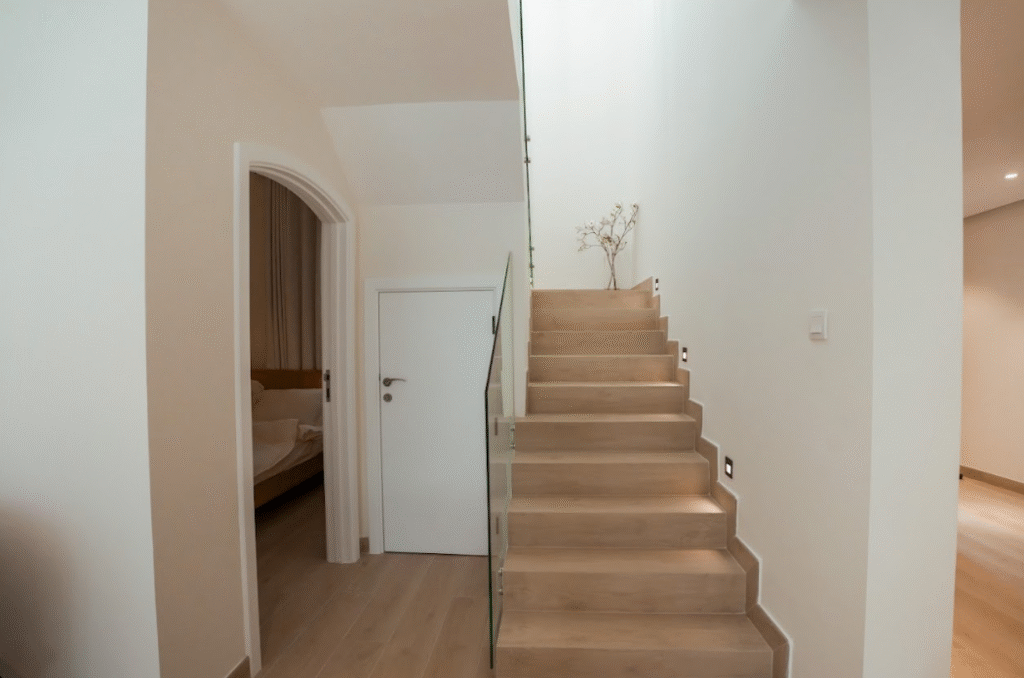
What Makes an Extension Idea “Value-Adding” and Approval-Friendly?
Not every upgrade delivers real returns. In extensions of villas in Dubai, the ideas that work best are the ones that improve how the home is actually used while staying within local planning rules. Value comes from adding practical space, like an extra bedroom, a functional kitchen layout, or a usable living area that fits everyday life.
At the same time, approvals depend on how well the design aligns with existing regulations. Simpler layouts, extensions within the current footprint, and structurally straightforward changes are generally easier to clear.
A few factors that make a difference:
- Efficient use of existing space
- Designs that follow zoning and setback rules
- Minimal structural disruption
When both usability and compliance come together, the result is an extension that not only looks good but also moves forward without unnecessary delays.
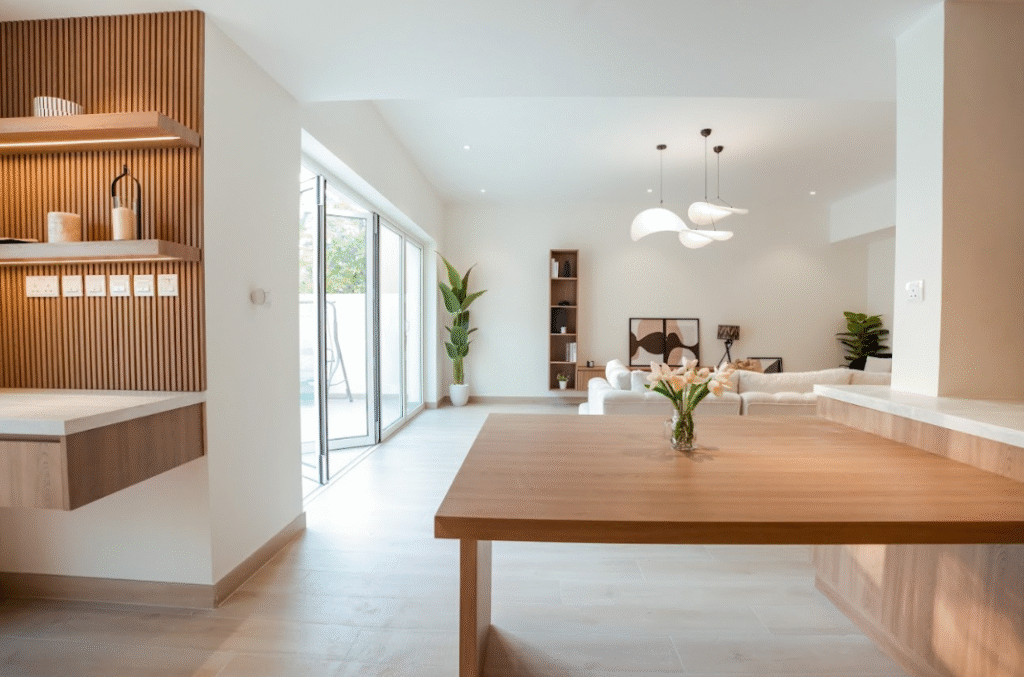
Top 5 Villa Extension Ideas That Work in Dubai
1. Ground Floor Room Extension
A ground-floor addition is one of the most straightforward ways to create extra usable space. It typically involves extending outward to add a bedroom, family lounge, or multipurpose room. From a value perspective, it immediately improves functionality, especially for growing families or hosting needs. In an extension of a villa in Dubai, this type of expansion often aligns well with existing structures, which helps keep the process smoother. Since it usually doesn’t require complex vertical changes, approvals tend to be more predictable when designs respect setback rules and plot limits.
2. Kitchen Expansion with Open Layout
Modern homes in Dubai increasingly favour open, connected spaces. Expanding the kitchen and integrating it with dining or living areas can completely change how the home feels and functions. It allows better movement, natural light flow, and social interaction. From a lifestyle angle, this upgrade adds daily comfort rather than just visual appeal. Within an extension process of a villa in Dubai, this kind of modification can be easier to approve when it stays within the existing built-up area or involves minor structural adjustments, making it both practical and efficient.
3. First-Floor Room Addition
Adding a room on the first floor is a strong option when horizontal space is limited. Whether it’s a home office, guest suite, or private retreat, this type of addition responds well to changing lifestyle needs. It also enhances long-term value by increasing the usable built-up area. In the context of a villa extension in Dubai, approvals for upper-level additions depend heavily on structural feasibility and design compliance. With proper engineering and adherence to height and load regulations, this remains a commonly executed extension type.
4. Outdoor-to-Indoor Conversion
Transforming an underused patio, terrace, or covered outdoor space into a fully functional indoor area is a smart way to expand without starting from scratch. It makes better use of existing structures while keeping costs relatively controlled. These conversions often work well for lounges, majlis areas, or casual seating spaces. In many villa extensions in Dubai cases, approvals are faster because part of the structure already exists, reducing the need for extensive groundwork. The key is ensuring proper insulation, ventilation, and compliance with enclosure guidelines.
5. Garage Conversion
Garages in many villas are underutilised, often serving as storage rather than functional space. Converting this area into a home gym, office, or additional room can significantly improve usability without altering the external footprint too much. It’s a practical option for homeowners looking to maximise what they already have. In a villa extension in Dubai, this type of change may require approval depending on zoning and parking requirements. However, with the right planning, it can offer strong value with relatively lower construction complexity.
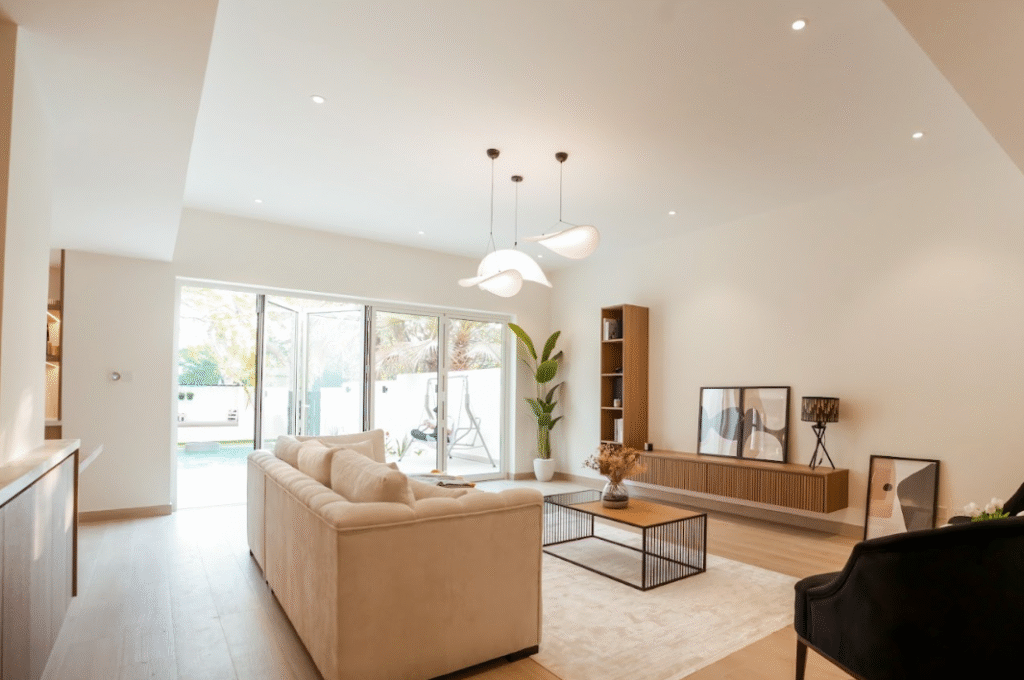
Quick Tips to Speed Up Dubai Municipality Approval
Getting approvals doesn’t have to be a long, uncertain process if the groundwork is handled properly. For any extension project of a villa in Dubai, delays often come from incomplete submissions or designs that don’t align with local guidelines. A little preparation goes a long way.
Here are a few practical ways to keep things moving:
- Work with experienced consultants who understand Dubai Municipality requirements
- Stick to compliant layouts, especially regarding setbacks, height limits, and plot coverage
- Avoid unnecessary structural complexity that can trigger additional reviews
- Ensure all documents are complete, including drawings, NOCs, and engineering details
Most approval delays are avoidable. When plans are clear, realistic, and aligned with regulations from the start, the process tends to move faster and with fewer revisions.
Choosing the Right Extension for Your Home
The right extension is not just about adding space, it’s about making your home work better for your daily life. In an extension for a villa in Dubai, the smartest choices are those that balance practicality with compliance. What suits one property may not fit another, especially when plot size, community rules, and structure all play a role.
Before deciding, it helps to think about how you plan to use the space in the long run. A well-planned extension should feel natural, not forced. When design, function, and local guidelines align, the result is a smoother approval process and a home that genuinely feels upgraded, not just expanded.
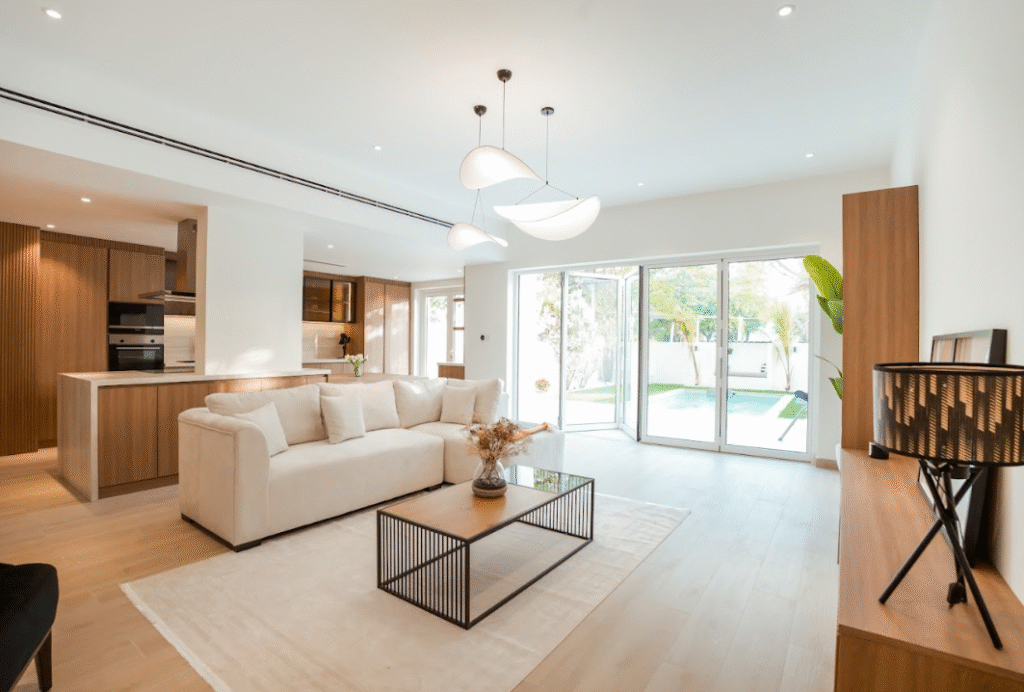
Build Smarter, Get Approved Faster
If you’re considering an extension for your villa in Dubai and want to get it right from the start, we’re here to guide you. At Houses to Homes UAE, we focus on practical design, clear planning, and smooth approvals, so you don’t have to navigate the process alone. Whether you have a rough idea or need direction, we’ll help you shape it into something that works for your home and your budget.
From concept to completion, our approach stays simple and transparent. If you’re ready to explore what’s possible for your space, connect with our team and take the next step with confidence.
Get Expert Guidance for Your Space *Contact Us*